walk-in tub cost WNC
Real 2026 ranges for an installed Western North Carolina walk-in tub — from a basic soaker to full hydrotherapy — plus the honest Medicare reality and how it stacks up against a tub-to-shower conversion.
What a walk-in tub costs by model
| Option | What you get | Installed cost |
|---|---|---|
| Basic soaker tub | Low threshold, watertight door, no jets — the safest, lowest-cost walk-in tub | $3,000 to $7,000 |
| Mid-range walk-in tub | Built-in seat, grab bars, fast-fill faucet, basic comfort features | $4,000 to $15,000 |
| Hydrotherapy tub | Air + water jets, heated backrest, in-line heater, dedicated circuit | $7,000 to $15,000 |
| Compare: tub-to-shower conversion | Removes the tub wall entirely for zero-step entry — often the better aging-in-place value | $1,500 to $15,000 |
Sources: Angi — Walk-In Bathtub Cost (2026); Angi / HomeGuide — Walk-In Tub Cost (2026); HomeGuide — Tub to Shower Conversion Cost (2026). Ranges are published third-party figures, not Pisgah quotes; installation labor is typically $1,000-$3,500 of the total. WNC labor runs modestly below large-metro national averages, so real local installs tend toward the lower-to-middle of each band. Per the National Kitchen & Bath Association (NKBA), accessible bath features are among the fastest-growing remodel requests as homeowners plan to age in place.
A walk-in tub is a soaking tub with a watertight door and a low step-in threshold, built so you can bathe seated without climbing over a high tub wall. In Western North Carolina, an installed walk-in tub runs $4,000 to $15,000, and where you land inside that range comes down to four things: the model tier (soaker vs. hydrotherapy), the features you add, how much plumbing and electrical the swap requires, and the installation labor to set it level and watertight. Get those four right and you can plan your budget within a couple of thousand dollars before anyone visits. Below is how each one moves the number — and an honest look at when a tub isn't the right call.
Model tier sets the floor
The single biggest price lever is whether you buy a soaker or a hydrotherapy tub. A basic soaker — a low-threshold tub with a sealed door and no jets — is the most affordable walk-in tub and the one that does the most for safety, since the door and low step do the work of preventing falls. Most WNC soaker installs land at $3,000 to $7,000. A hydrotherapy model adds air jets, water jets, a heated backrest and usually an in-line heater to keep a long fill warm, which pushes the installed cost to $7,000 to $15,000. That single decision can swing your project by $4,000-$8,000. Decide first whether you want therapeutic soaking or simply safe, seated access — the second goal is met fully by the soaker.
Installation labor: $1,000 to $3,500
A walk-in tub is rarely a tidy drop-in. The unit is taller and a different footprint than a standard tub, so a plumber often has to re-run supply and waste lines, and a carpenter reframes the platform the tub sits on. Many models need a dedicated electrical circuit for the air blower and an in-line water heater, which brings an electrician into the job. The door seal also has to be set perfectly level to stay watertight for years. All of that is why installation labor alone typically runs $1,000-$3,500 — and why a firm number depends on what's behind your walls. WNC's labor rates run modestly below large-metro national averages, which is why real Blue Ridge installs sit in the lower-to-middle of the national ranges you see published.
The Medicare and insurance reality
This is where a lot of marketing gets misleading, so here is the straight version: Original Medicare (Parts A and B) generally does not pay for a walk-in tub. Medicare treats the tub as a home modification rather than durable medical equipment, so in nearly all cases the homeowner pays out of pocket. There are narrow exceptions worth checking — some Medicare Advantage (Part C) plans now include limited home-safety allowances, the VA may help eligible veterans through HISA or SAH grants, and a few state Medicaid waivers cover home modifications for qualifying low-income residents. The honest move is to get any coverage promise in writing from your specific plan before you sign a purchase contract. Be especially wary of any seller who claims "Medicare will cover it" as a closing line — that is the most common red flag in the walk-in tub industry.
Walk-in tub vs. tub-to-shower conversion
For most WNC homeowners whose main goal is fall safety and aging in place, the more important comparison isn't soaker vs. hydrotherapy — it's tub vs. shower. A tub-to-shower conversion removes the high tub wall entirely, costs $1,500 to $15,000, and can be built curbless for true zero-step entry. A walk-in tub, by contrast, still has a threshold of roughly 7 inches to step over, and you must sit inside while it fills (6-15 minutes) and drains (2-5 minutes) because the door can't open with water in it. The tub wins on one thing a shower can't match: a full seated soak. So the rule of thumb is simple — choose the walk-in tub if soaking comfort matters to you, and the tub-to-shower conversion if your priority is the safest, lowest-cost entry. We lay both options out side by side on our walk-in tubs & accessible bathrooms page.
Features, permits, and the WNC adjustment
Beyond the soaker-to-hydrotherapy jump, the features that add the most are a wider outward-swinging door, a built-in seat and grab bars, chromotherapy lighting, a fast-fill faucet, an in-line heater, and a bariatric or extra-deep basin. None are required for safety — the door and low threshold provide that — so spend where it fits how you'll actually bathe. On permits: because most installs touch plumbing, add a circuit, or reframe the platform, WNC counties will require a permit and inspection, and you want that inspection on the work you can't see after the walls close. Verify your county's threshold with Buncombe County Permits or Henderson County Building Services, and always confirm a contractor's license is active through the NC Licensing Board for General Contractors before you sign — it's a free, two-minute check.
How to use these numbers
Start by deciding soaker or hydrotherapy to find your floor, add only the features you'll truly use, then expect $1,000-$3,500 of installation labor on top — that path gets you a planning budget usually within a couple thousand dollars of a real quote. From there, the only way to a firm price is a measured, line-item estimate. We give those free, with no obligation, across 24 WNC counties: we measure the space, check the existing plumbing and electrical, and hand you a fixed price before any work begins. If accessibility is your real goal, compare the tub against a conversion in the guides below before you commit.
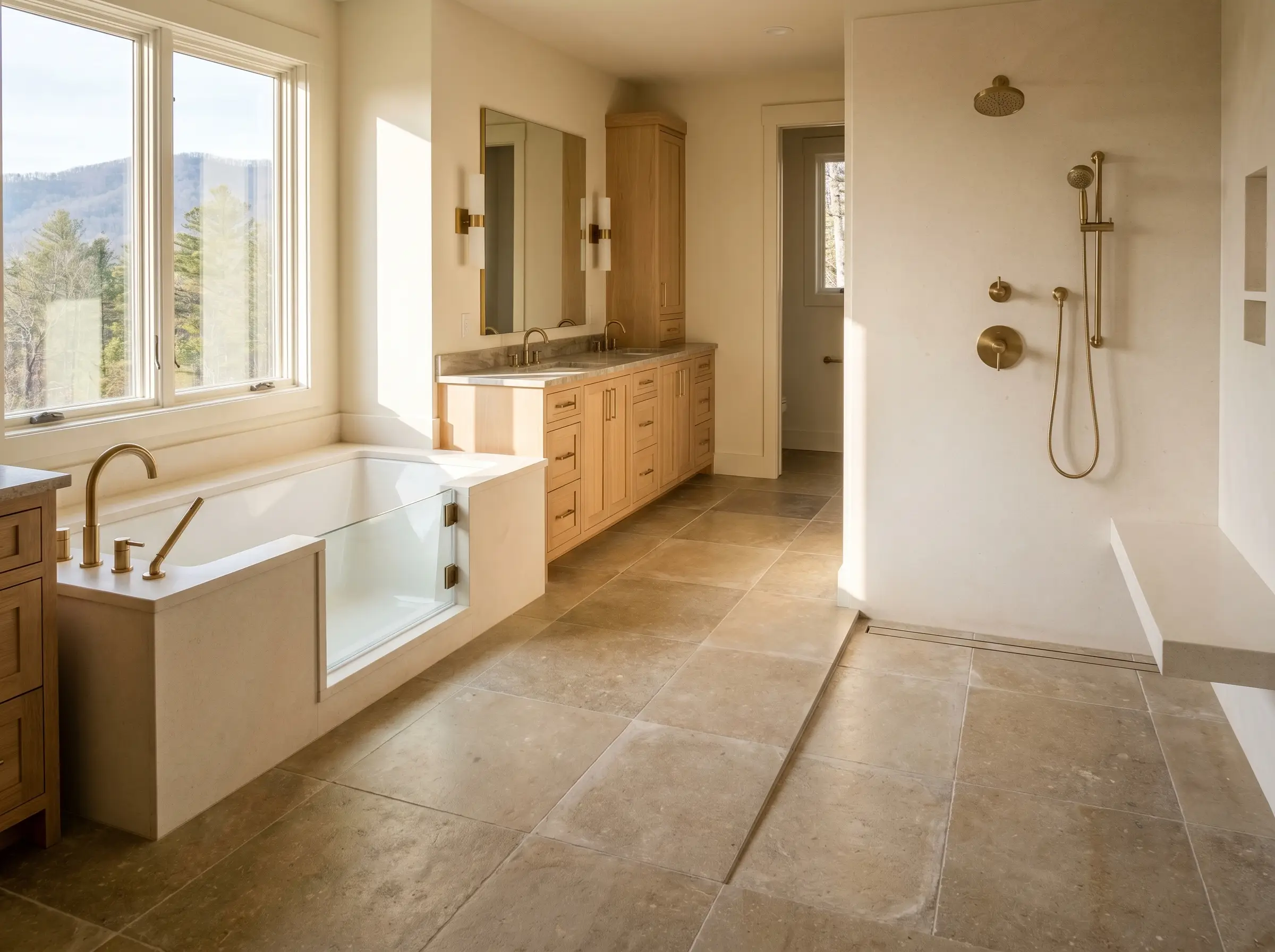
Walk-In Tubs & Accessible Baths
Aging-in-place options & what's included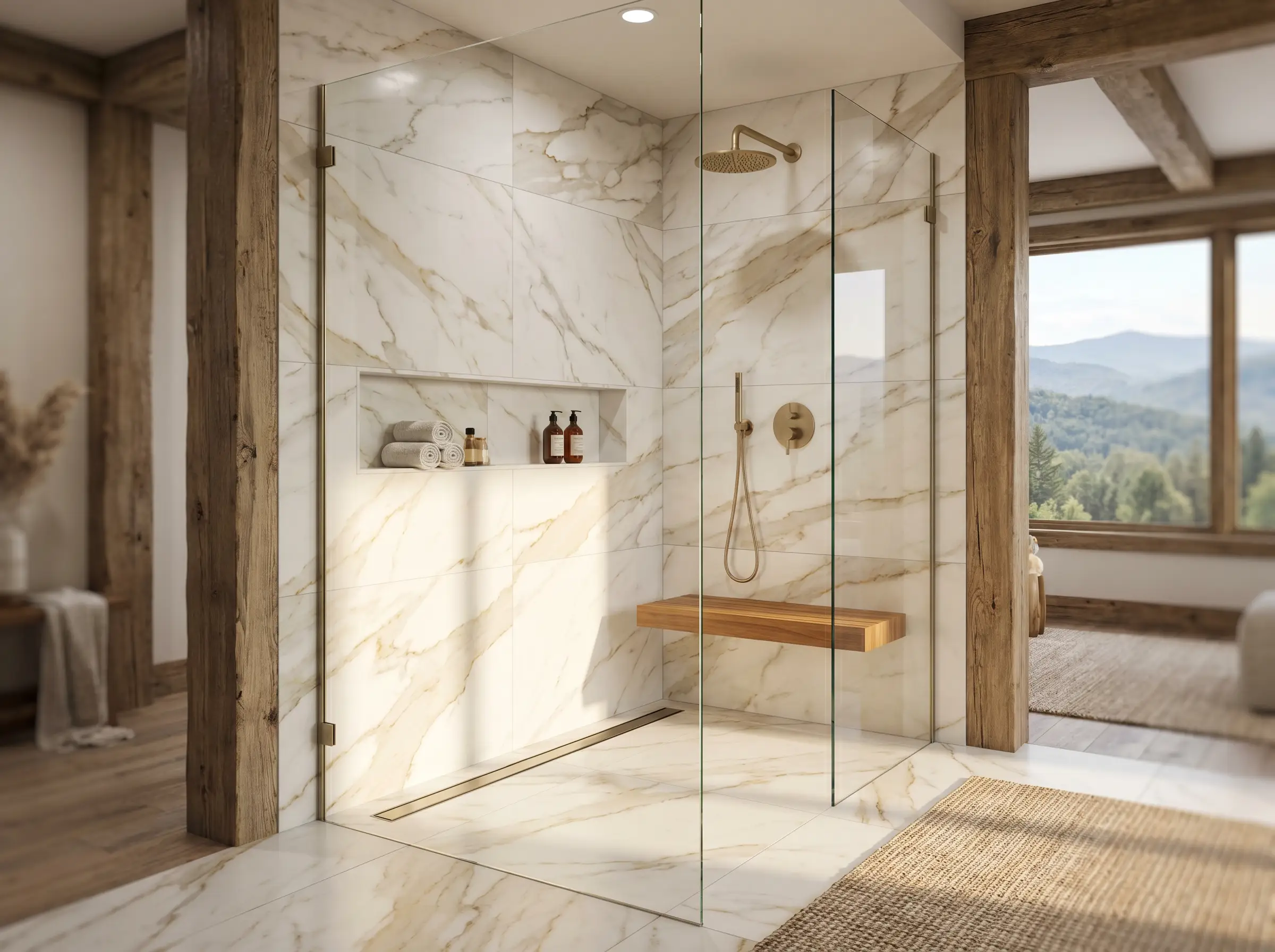
Tub-to-Shower Cost
Often the better aging-in-place valueWalk-In Showers
Curbless, zero-entry & conversion workWalk-In Shower Cost
Prefab, custom tile & curbless ranges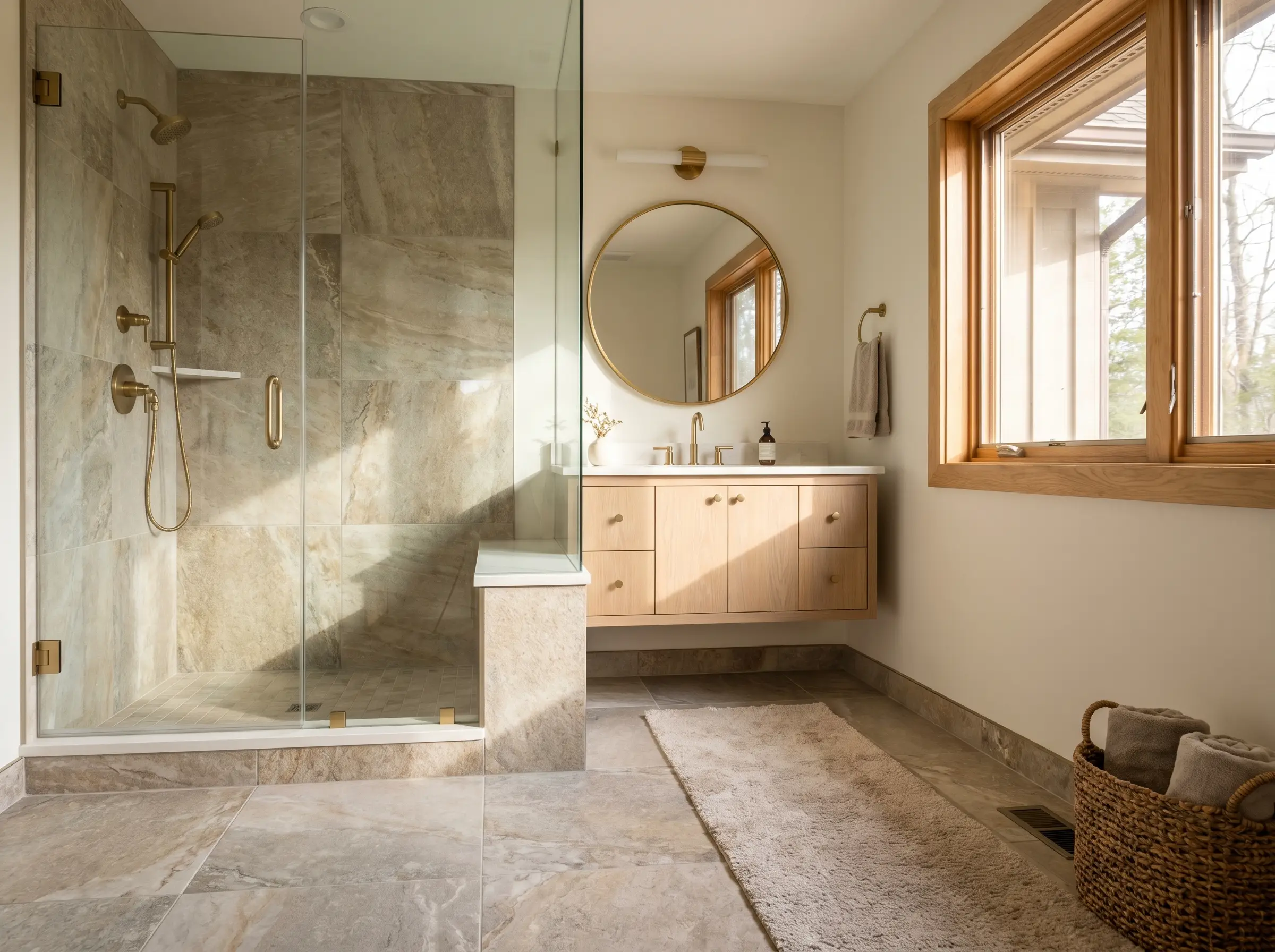
Bathroom Remodel Cost
By room size & finish tierAsheville Remodeling
What a local bathroom project includesGet a real walk-in tub quote
These ranges are for planning. The only way to your number is a measured, line-item estimate — free, no obligation, fixed price up front.
Walk-in tub cost questions
How much does a walk-in tub cost installed in WNC?
Does Medicare or insurance pay for a walk-in tub?
Walk-in tub or tub-to-shower conversion — which is better for aging in place?
Why is walk-in tub installation labor so expensive?
How long does it take to fill and drain a walk-in tub?
What features add the most to a walk-in tub's price?
Do I need a permit to install a walk-in tub in WNC?
Is the price you quote the same as these published ranges?
Bathe safely.
Free in-home estimate. Licensed & insured. Real WNC cost data. No obligation.
Get a Free Estimate →